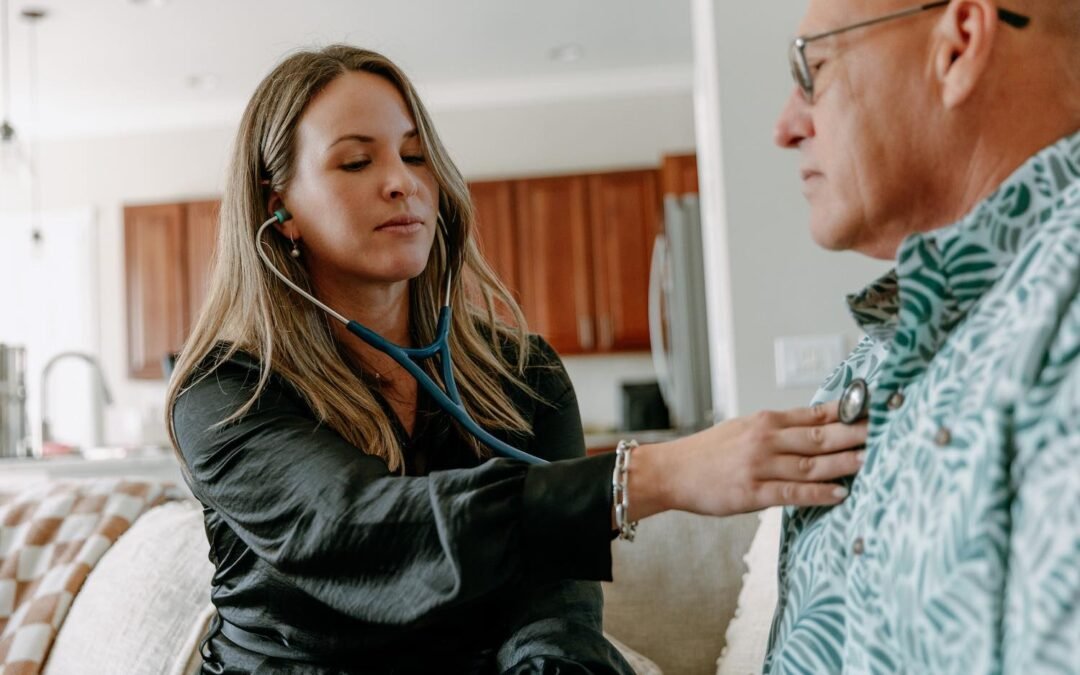
Every year, millions of Americans walk into their doctor’s office for their “annual physical.” They’re weighed, have their blood pressure taken, answer a few questions about their lifestyle, and get a handful of routine lab tests.
If everything looks “normal,” they’re told they’re healthy.But too often, that sense of reassurance is tragically misleading.
Many of us have known — or been haunted by the story of — someone who was told they were fine after their annual checkup, only to later be diagnosed with advanced cancer or suffer a sudden heart attack or stroke. These are not rare exceptions; they’re painful reminders of the gaps in traditional preventive care.
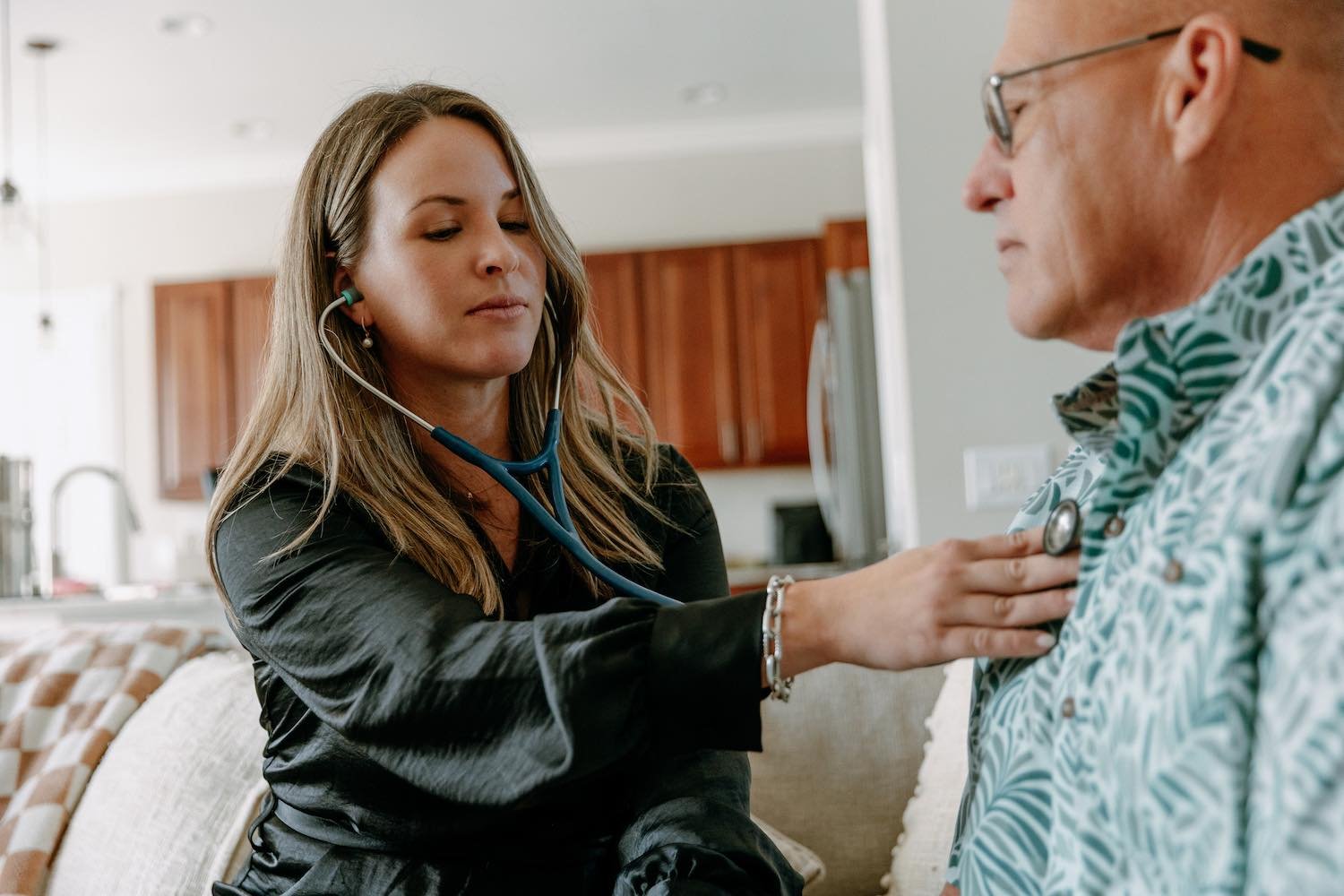
The Problem with the Standard Annual Exam
Today’s annual physical has changed little in decades. Most include:
- Basic bloodwork (lipid panel, metabolic panel, and sometimes thyroid)
- A brief head-to-toe physical exam
- A standardized questionnaire to assess risk for cancer, cardiovascular disease, and infectious illness
This model can identify obvious disease — but it often fails to detect silent, early-stage conditions that cause the most devastating outcomes. Heart disease, cancer, and neurodegenerative disorders often progress quietly for years before causing symptoms. By the time they’re discovered, treatment options are limited and outcomes are worse. And the truth is, it’s not entirely the physician’s fault.
How the Healthcare System Itself Fails Preventive Care
Due to today’s insurance reimbursement models, physicians are under increasing pressure to see a high volume of patients each day just to keep their practices viable. This means shorter appointment slots, minimal time for conversation, and often no hands-on physical examination at all. Patients describe feeling like they have 15 minutes to fit a year’s worth of health concerns into one visit.
Physicians, meanwhile, are often rushing to meet quotas, check boxes on quality measures to try and maximize insurance reimbursement, leaving little time for true prevention, education, or deeper evaluation.
The result?
- Missed warning signs
- Deferred or denied advanced testing
- Frustration for both patient and doctor
This system rewards volume, reactive care — and it’s costing people their health.
The Systemic Barriers to Better Screening
Even when patients ask for more comprehensive testing, they often hit a wall. Doctors frequently respond with phrases like:
“Insurance won’t cover that.”
“You don’t meet the criteria.”
“You’re healthy — you don’t need this.”
Those statements aren’t wrong from an insurance standpoint — but they miss the bigger picture. If you’re proactive about your health, you shouldn’t have to wait until something is wrong to get deeper insight into your body. That’s why Drs. Joe and Rachel Dhani founded House of Valor Concierge Medicine — to remove those barriers and bring comprehensive, proactive care directly to patients who value clarity, longevity, and performance.
Introducing the Executive Physical: A New Standard for Preventive Medicine
The Executive Physical at House of Valor was designed for high-performing individuals who expect more than a quick exam and a basic lab panel. It’s a comprehensive, data-driven assessment that uncovers early signs of disease, evaluates functional performance, and builds a clear roadmap for long-term wellness.
1. Full-Body MRI – Early Detection, Redefined
The cornerstone of the Executive Physical is the AI-enhanced full-body MRI, which scans the head, neck, spine, chest, abdomen, and pelvis without radiation exposure. This imaging can detect:
- Early-stage cancers before symptoms appear
- Aneurysms and vascular abnormalities
- Organ dysfunction or structural changes
- Spinal and joint degeneration
It’s a comprehensive look inside your body, designed to find what traditional testing can’t.
2. Coronary Calcium CT – Revealing Hidden Cardiovascular Risk
Heart disease remains the leading cause of death in the U.S., often striking without warning. A routine cholesterol panel can’t tell the full story.
The CT Coronary Calcium Score, included in the Executive Physical, uses low-dose radiation to detect both calcified and non-calcified plaque in the coronary arteries while also providing a deeper visualization of heart and lung health.
This scan provides clarity about your true heart attack and stroke risk — often years before symptoms arise. Recently, one of Dr. Dhani’s patients with normal labs and no symptoms was found to have early-stage lymphoma on his scan. Because it was caught early, he received prompt treatment and is now thriving.
3. Advanced Bloodwork – Beyond the Basics
Routine blood panels only tell part of the story. The Executive Physical expands testing to include:
- Lipid and inflammation markers
- Hormone and thyroid function
- Micronutrient and metabolic health panels
- Glucose regulation
- Urinalysis
This deeper insight helps uncover hidden drivers of fatigue, inflammation, and disease — giving you a blueprint to take control of your health trajectory.
4. EKG and Functional Performance Assessment
Every Executive Physical includes an electrocardiogram (EKG) to evaluate heart rhythm and electrical activity, paired with a functional movement, posture, and neurological assessment performed by our chiropractic physician. This integrative approach combines medical and biomechanical insight to ensure your body functions optimally — inside and out.
5. Comprehensive Review and Personalized Plan
Once testing is complete, our medical and chiropractic team reviews your results together to create a personalized, actionable plan. This is not a template or printout — it’s a data-backed, integrative health roadmap unique to you. You leave not just with results, but with clarity, direction, and an advocate for your ongoing wellness.
Transparent, Accessible Pricing
At House of Valor, we believe access to advanced preventive care shouldn’t be restricted by insurance limitations.
That’s why we offer transparent, à la carte pricing for both members and non-members:
Service |
Member Price |
Non-Member Price |
|
| Executive Physical (Comprehensive Package) | $1,999 | $2,999 | |
| Full-Body MRI | $1,599 | $1,899 | |
| CT Coronary Calcium Score | $449 | $549 | |
| Advanced Bloodwork Panel | $375 | $499 | |
| Medical Physical Exam & Electrocardiogram (EKG) |
Included in both member and non-member Executive Physicals | ||
| Chiropractic Mobility, Posture & Neurological Assessment | Included in both member and non-member Executive Physicals | ||
| Doctor Review & Personalized Next Steps | Included in both member and non-member Executive Physicals |
Members also receive coordinated follow-up, same-week scheduling, and continuous access to our concierge care team.
Why the Executive Physical Matters
The Executive Physical exists because far too many people are doing “everything right” — exercising, eating well, getting their annual physical — yet are still blindsided by disease.mRoutine care doesn’t always detect risk. It confirms the absence of symptoms.
But health is not defined by the absence of disease — it’s defined by awareness, prevention, and proactive choices.
Drs. Joe and Rachel Dhani built this program for those who believe that knowledge is power — for leaders, executives, athletes, and anyone determined to live intentionally and take control of their health.
A Smarter Way to Start 2026
As we approach a new year, there’s no better time to invest in yourself.
The Executive Physical provides:
- Clarity — a complete, data-driven understanding of your health
- Confidence — early detection and prevention strategies
- Control — a personalized roadmap for your long-term wellness
Don’t let the limits of insurance or rushed appointments dictate your care. You deserve time, attention, and a full picture of your health.



While I haven’t yet been treated by Dr. Joseph Dhani, I’ve had the opportunity to connect with him in conversation. It’s clear that he shares the same warmth, integrity, and patient-centered values as Dr. Rachel Dhani.
House of Valor is a rare and much-needed space in today’s healthcare landscape as it prioritizes holistic care and truly listens. I’m so grateful this practice exists, and I hope it represents the future of healthcare.